What is a model portfolio and why is it essential for agency casting?
Your portfolio isn’t an Instagram feed. It’s a business tool.
A portfolio of models serves as your primary professional resume in the fashion, commercial, and editorial industries. Whether you are learning how to build a modeling portfolio from scratch or refining an existing collection, casting directors use this file to evaluate your proportions, facial structure, skin tone, camera confidence, and range of expressions.
Without a clear, professional collection of shots, agents cannot pitch you to prospective clients or book you for runway shows, e-commerce catalog shoots, and brand campaigns.
Understanding specific model portfolio requirements is critical because agencies make hiring decisions in seconds. They are not looking for hundreds of repetitive social media selfies or overly filtered snapshots.
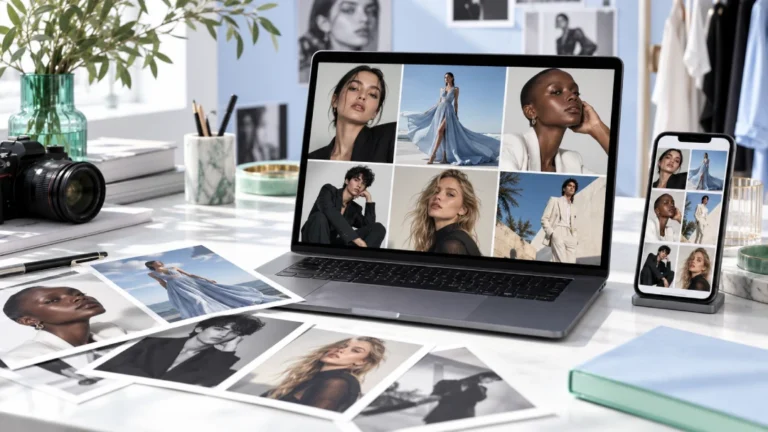
Instead, they look for clean, high-resolution photos that show what you actually look like on set. A well-organized digital portfolio website acts as your digital casting card, allowing talent managers to quickly view your measurements, video movement reels, and project galleries on any screen.
What are the 6 mandatory shots to include in a model portfolio?
When agency recruiters review a new model portfolio, they look for specific industry-standard images to verify your natural look. Including these core shots ensures you meet professional standards across fashion, commercial, and fitness casting calls:
- The Beauty Headshot (Polaroid / Digital): A clean, straight-on facial shot with minimal makeup, hair pulled back, and direct eye contact. This reveals your natural bone structure, skin texture, and eye color.
- The Full-Length Body Shot: A head-to-toe standing photo taken against a simple, neutral studio backdrop. Wear form-fitting clothing, such as a plain black or white T-shirt with fitted jeans or plain swimwear, so that agents can assess your true body proportions and posture.
- The Profile Shot (Side Headshot): A clean side-profile photo showing your jawline, facial contours, and side profile symmetry without hair blocking your face.
- The Three-Quarter Shot: Positioned midway between a full headshot and a full-body shot (usually captured from the mid-thigh or waist up). This frame shows your upper-body posture, relaxed shoulder line, and torso alignment.
- The Editorial / Fashion Movement Shot: A dynamic image capturing expression, movement, and pose control. This photo demonstrates how naturally you work with garments, lighting, and camera angles during a styled shoot.
- The Commercial / Smile Shot: A warm, approachable photo featuring a genuine, natural smile with teeth showing. This image is essential for commercial, catalog, and lifestyle modeling bookings where brand friendliness is required.
How to Order Your Model Portfolio Photos
Knowing which photos to pick is only half the job. How you arrange them matters just as much. It can be the difference between an agent booking you or closing your page in five seconds.
Here is how to lay out your shots so you make the best impression.
Rule 1: Quality Over Quantity
Keep your portfolio tight; aim for 12 to 20 great photos.
Don’t stuff your site with 40 average pictures just to make it look full. Casting agents actually judge you by your weakest photo, not your best one. Showing 15 amazing shots builds way more trust than throwing in extra photos that look just okay.
Rule 2: Put Your Digitals Right at the Front
Start with your natural look before showing styled shots:
- First Photo: Lead with your absolute best beauty headshot.
- Next Shots: Right after that, show your unedited full-length body shot and side profile.
Putting these clean, simple digitals right at the start builds instant trust with talent scouts. They want to see what you actually look like before anything else.
Rule 3: Show Off Your Best Work in the Middle
Once your natural shots are out of the way, bring on the creative work:
- Show off styled fashion shoots, magazine pages, and outdoor work.
- Group similar photos together so the page looks neat.
- Final Photo: Finish your album with another high-energy shot that leaves a great lasting impression.
Rule 4: Use Folders if You Do Different Types of Modeling
If you do high-fashion, commercial catalog work, and fitness, don’t dump everything into one giant pile.
Separate your photos into clean project folders for each style. That way, a scout looking specifically for a fitness model can jump straight to those photos without digging through high-fashion shots first.
Want to see how other pros set this up? Check out our online portfolio builder for stylists and models to see real layout examples in action.
How to Build and Host Your Online Model Portfolio on Fabrik
Setting up your online model portfolio on Fabrik makes sharing your photos, composite card, and current measurements with agencies anywhere in the world super simple.
Most website builders make updating your site a headache. You usually have to crop every single picture again, fight with stubborn page layouts, or fix broken galleries every time you want to add new work. Fabrik fixes this completely. It separates your photos from the layout template, so your images stay safe and untouched no matter what changes you make to the design.
Picking the Right Design Theme for Your Style
Building your site starts by choosing a template created specifically for visual artists and models:
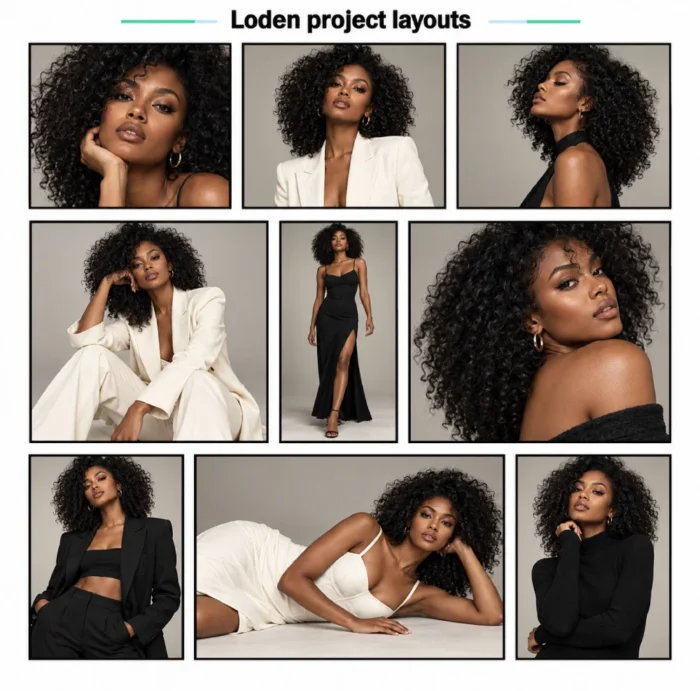
- Loden: Perfect for full-length vertical shots. It keeps your photos as large as possible without awkwardly cutting off your head or shoes.
- Tocuyo & Canvas: Ideal if you want a bold, full-screen cover photo that grabs attention the second a casting director opens your page.
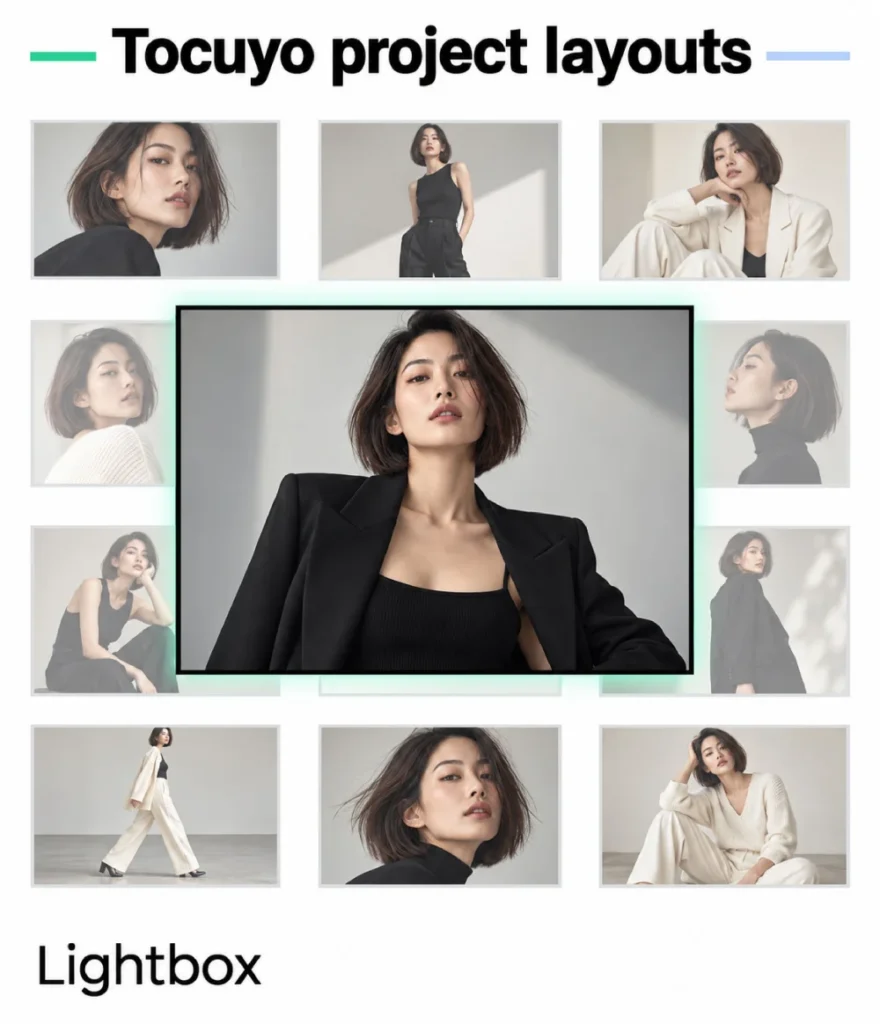
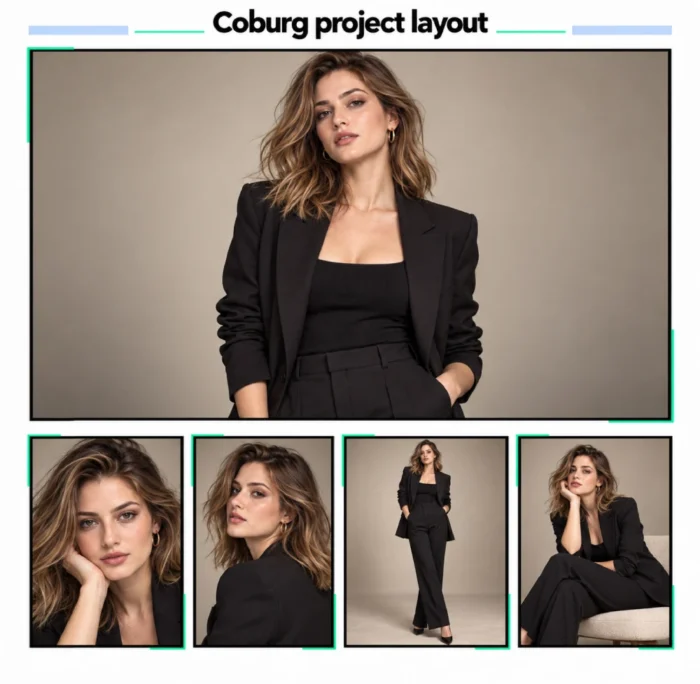
- Coburg & Airdura: Great for models who have video content. These magazine-style layouts let you display video reels, runway clips, and photo sets side by side.
Smart Features That Keep Your Site Looking Sharp
Fabrik uses a smart display system so your photos never get awkwardly cropped or stretched on phones, tablets, or laptop screens. Casting directors always see your photos exactly how they were shot.
Best of all, if you ever want to change your site’s entire look for a big agency casting call, you can swap your theme in one single click. You won’t need to re-upload a single picture or retype any information.
Want to see how easy it is to customize your page? Check out Fabrik portfolio layout customization features to see how it works!