What Is a Concept Art Portfolio?
A concept art portfolio is not just an art gallery; it is a visual blueprint of how your brain solves production problems. In the fast-moving worlds of video game development, feature film production, and commercial VFX, studios are not merely hunting for pretty paintings. They are looking for visual creators who can take a vague narrative brief, explore dozens of functional ideas rapidly, and deliver clear visual assets that 3D modelers, animators, and lighting artists can build directly in-engine.
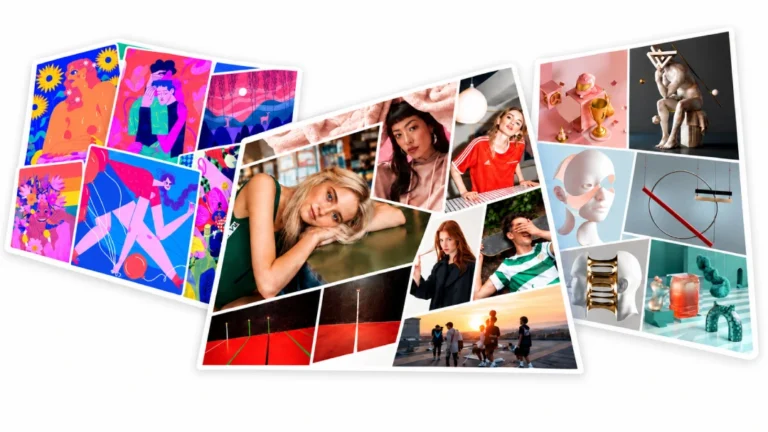
When you build a dedicated online space using a specialized concept art portfolio builder, you take full control of how art directors experience your visual narrative. Rather than letting third-party social algorithms compress your high-resolution render passes or force awkward square crops onto widescreen environment paintings, a dedicated portfolio framing ensures your work lands with maximum visual impact.
Key Differences Between Illustration and Concept Art Portfolios
One of the most common traps aspiring artists fall into is confusing illustration with concept design. While both disciplines demand strong fundamentals in perspective, anatomy, color theory, and lighting, their core commercial goals sit on opposite sides of the visual spectrum.
The Illustrator’s Goal: The Finished Emotional Impact
An illustration is a final product destined for a book cover, a splash screen, movie poster, or trading card. Its sole job is to evoke emotion, tell a self-contained story, and look completely polished. Illustrators hide their early rough sketches, construction lines, and abandoned iterations because the viewer only cares about the final composition.
The Concept Artist’s Goal: The Production Blueprint
A concept drawing is a working document. It exists to answer questions for a broader production team:
- How does this mechanism open from the side?
- What materials are wrapped around the character’s shoulder armor?
- How does this environment look from a bird’s-eye camera angle?
If your portfolio only features ultra-rendered key art without showing thumbnail iterations, silhouette studies, functional callouts, or lighting breakdowns, studio recruiters will assume you are an illustrator who struggles with rapid design iteration. To get hired at AAA studios or top-tier VFX houses, your site must showcase the strategic journey from initial concept sketch to production-ready design.
Essential Components of an Industry-Ready Concept Art Portfolio
To catch the eye of busy hiring managers, your site must balance high-impact hero visuals with deep technical transparency. Here are the core building blocks every professional project case study needs:
1. The High-Impact Key Art (Hero Shot)
Every project should lead with a polished, hero key art painting that establishes scale, mood, lighting, and narrative context. This grabs immediate visual attention and proves you can execute finished visual quality.
2. Thumbnail Iterations and Silhouette Explorations
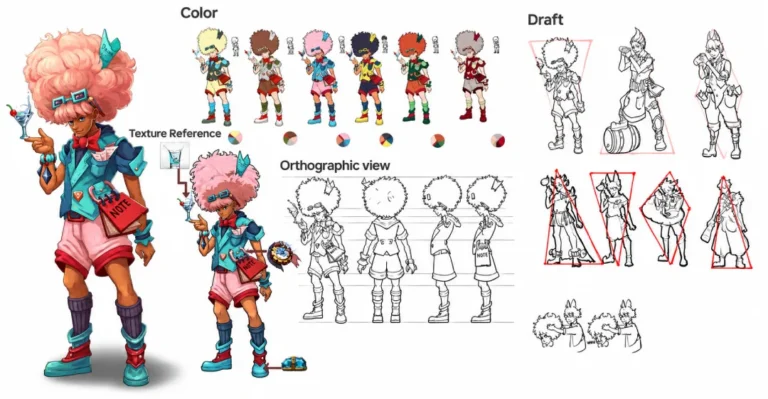
Show 6 to 12 quick thumbnail passes that demonstrate your design exploration. Art directors want to see how you push forms, test silhouettes, and throw out obvious ideas to arrive at fresh, functional solutions.
3. 3D Block-Outs and Pipeline Integration
Modern production pipelines rely heavily on 3D base meshes. Including Blender, ZBrush, or CAD block-outs alongside your 2D paint-overs proves that your designs are dimensionally accurate and ready for production modelers.
4. Technical Callout Sheets and Orthographic Turnarounds
Show orthographic views (front, side, back) for characters and weapons, alongside exploded diagrams for complex props or environmental architecture. Specify real-world material callouts like weathered leather, oxidized copper, or brushed titanium.
5. Color and Lighting Keys
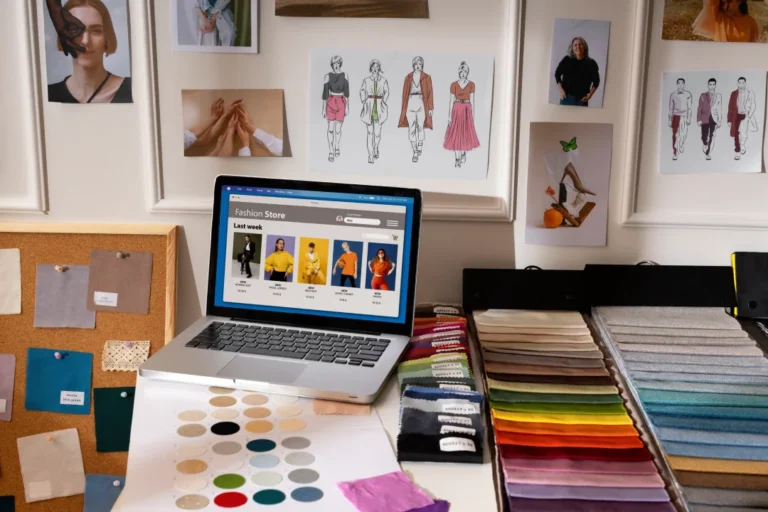
Demonstrate how your designs behave under different environmental conditions. Show quick mood-board studies or color keys exploring daylight, night settings, interior fluorescent lighting, or atmospheric fog.
Step-by-Step: How to Structure Your Concept Art Website Layout
When setting up your online presence, layout structure and site performance can make or break an application. Art directors review hundreds of applicant sites every week; any technical friction, slow image load times, or confusing navigation will cause them to bounce to the next candidate. This step-by-step guide will help you create your website that gets you hired.
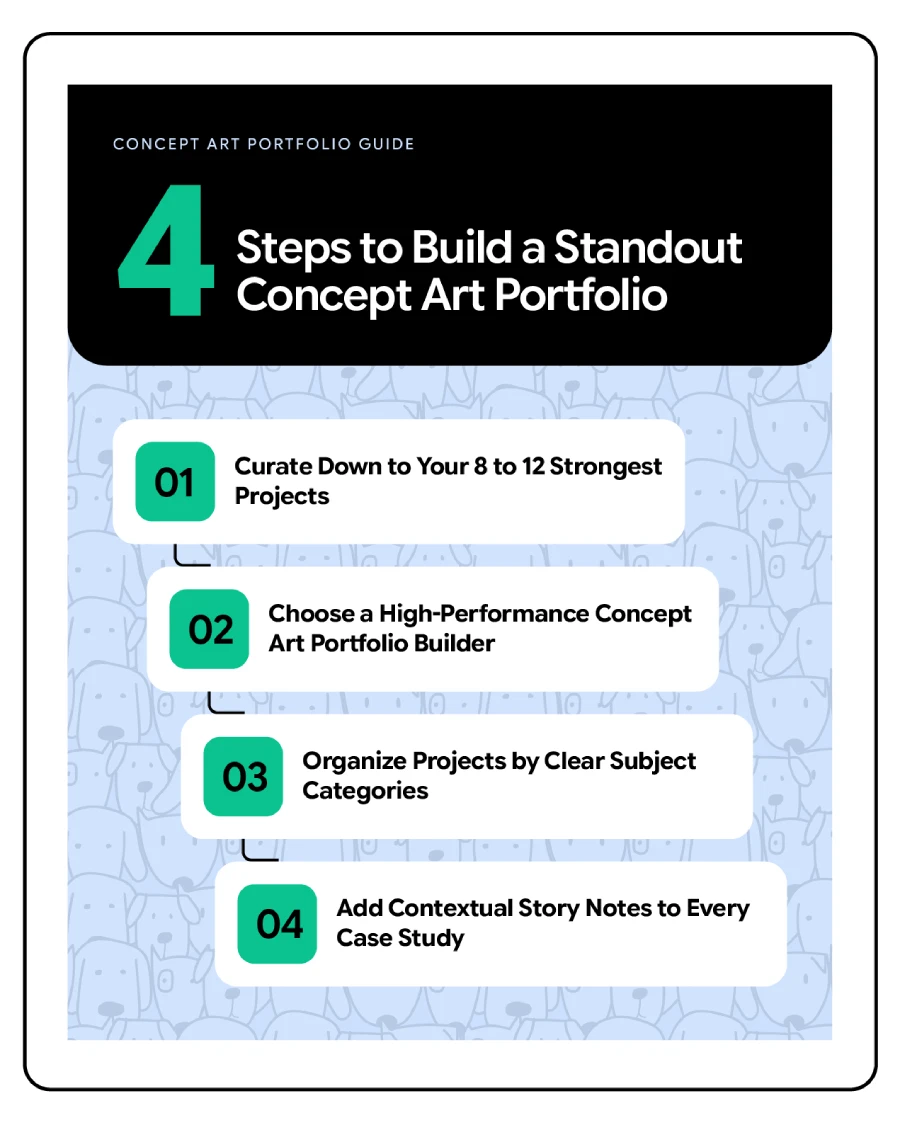
Step 1: Curate Down to Your 8 to 12 Strongest Projects
Quality always beats quantity. Including 5 brilliant projects alongside 5 mediocre ones dilutes your overall brand impression. Strip away old student assignments or uninspired practice pieces. Show only the work that reflects the exact jobs you want to land next.
Art Director Attention Metric: 83% of lead art directors at AAA game studios spend less than 45 seconds reviewing an initial portfolio website before deciding whether to move an applicant to the art test stage. (Data source: AAA Creative Director Review Survey)
Step 2: Choose a High-Performance Concept Art Portfolio Builder
Avoid generic business site builders that crush your high-bitrate renders or force mobile layout glitches. Using Fabrik gives you access to media-optimized frameworks, uncropped media containers, and instant dark-mode styling engineered specifically for digital artists and visual creators.
Step 3: Organize Projects by Clear Subject Categories
If you are a multi-disciplinary artist, organize your work into clean, distinct project categories:
- Environment Design: World-building, architectural sets, lighting keys, and matte paintings.
- Character & Creature Design: Anatomic studies, costume breakdowns, and expression sheets.
- Hard-Surface & Prop Design: Vehicles, machinery, weapons, and industrial equipment.
Layout Optimization Data: Portfolios built with dedicated single-project breakdown pages experience a 64% lower bounce rate from recruiters compared to single-page endless scroll layouts. (Data source: Fabrik Platform Metrics)
Step 4: Add Contextual Story Notes to Every Case Study
Don’t just upload images; frame the project brief. Write a short 3-sentence summary for each piece explaining:
- What client or universe the design was built for.
- The specific design problem you were solving (e.g., “Designing a modular sci-fi armor set optimized for mobile game memory limits”).
- The tools and pipeline you used to deliver the asset (e.g., Photoshop, Blender, Octane Render).
How to Tailor Your Portfolio for Games, Film, and AAA Studios
A common mistake is submitting a generic concept art portfolio to every studio opening. Games, film, and animation pipelines operate under vastly different technical constraints. Tailoring your concept art portfolio layout examples to match your target industry’s specific needs will instantly elevate your application.
Tailoring for AAA Video Game Studios
Game studios require functional design thinking. Because your concept will be rendered in real-time game engines like Unreal Engine or Unity, art directors need to know that your designs translate into 3D space smoothly.
- What to Show: 3D block-outs, modular asset breakdowns, top-down map layouts, functional joints, and clear material callout sheets.
- Key Focus: Consistency across gameplay perspectives (e.g., third-person camera views, first-person weapon framing).
Tailoring for Feature Film and VFX Houses
Film concept art leans heavily into cinematic mood, photo-realism, and dramatic storytelling. Production designers need art that establishes atmosphere fast and acts as a direct reference for cinematographers and costume departments.
- What to Show: Photorealistic keyframes, complex lighting passes, integrated photo-bash workflows, 3D environment paint-overs, and cinematic widescreen compositions (2.35:1 aspect ratios).
- Key Focus: Mood, photographic realism, color grading, and speed.
Tailoring for Animation and Stylized Projects
Stylized animation studios value shape language, strong silhouettes, exaggerated proportions, and clear emotional expression above photo-realism.
- What to Show: Clean line art, dynamic pose sheets, color scripts, expression turnarounds, and clear graphic shape breakdowns.
- Key Focus: Appeal, readability, dynamic gesture, and visual rhythm.
Final Thoughts: Launch Your Concept Art Portfolio with Fabrik
Building an industry-standard concept art portfolio does not mean spending weeks wrestling with complicated web code or fighting rigid website templates. As a visual creator, your time is best spent sketching, modeling, and refining your creative pipeline.
By choosing a specialized platform like Fabrik, you get high-bitrate media hosting, uncropped 4K image display, instant theme swapping, and fast mobile performance built right into your setup. Present your iterative design process clearly, showcase your technical callouts, and give your artwork the professional home it deserves.